When you turn off a sink faucet and water keeps dripping, it's easy to ignore for a while. A drop every few seconds doesn't seem like much. But that steady drip adds up to thousands of gallons a year, and it usually points to a real problem inside the valve that won't fix itself. The good news is that a dripping faucet is one of the most straightforward repairs a plumber handles, and catching it early saves you money on your water bill and prevents damage to your sink basin over time.
The Washers and Seals Are Wearing Out
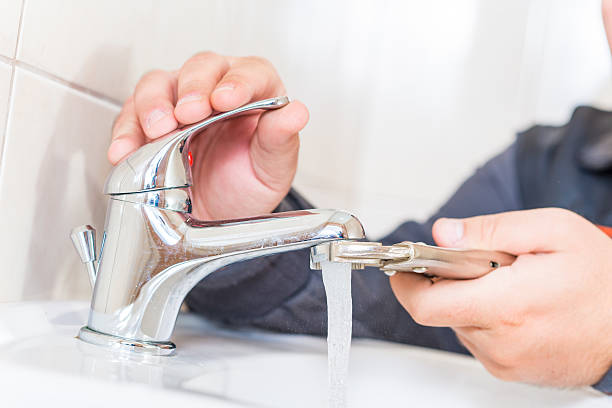
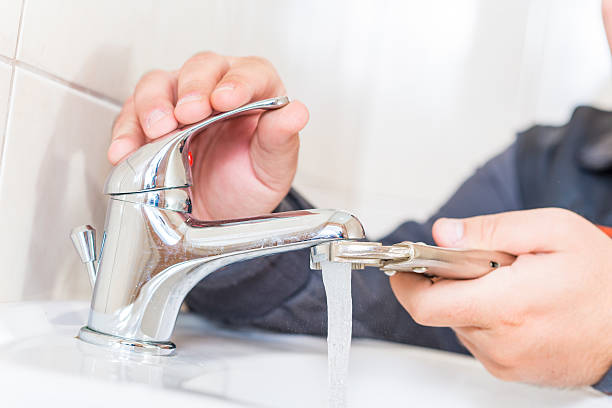
The most common reason a faucet drips after you shut it off is that the rubber washers or seals inside the valve have degraded. These parts wear down from repeated use, mineral buildup, and just time. In Conroe's hard water, mineral deposits build up faster than in softer water areas, which speeds up the wear. When the washers lose their shape or develop cracks, they can't seal the valve completely anymore. Water seeps past them into the basin below, one drop at a time. This is especially common in older faucets that have been in use for five or more years.
Sediment and Mineral Buildup Can Block the Seal
Hard water in the Conroe area leaves behind calcium and mineral deposits inside your faucet valve. These particles prevent the washers from sitting flush against the valve seat, the surface they're supposed to seal against. Even a tiny gap lets water through. Sometimes the buildup is so heavy that the valve won't close all the way no matter how tightly you turn the handle. You might notice the handle feels stiff or requires more force than it used to. This is sediment doing its work. Flushing the valve or replacing the internal cartridge often solves this.
High Water Pressure Can Contribute to the Problem
If your home has water pressure above 80 psi, it puts extra stress on your faucet valves and seals. Over time, high pressure makes those components fail faster. You can check your pressure with a simple gauge from a hardware store, or call us to test it for you. If pressure is the culprit, a pressure regulator installed at your main water line protects all your fixtures and extends their lifespan. This is especially worth doing if you have multiple faucets dripping or if you've had repeated valve failures.
When It's the Valve Cartridge Itself
Some modern faucets use a cartridge instead of traditional washers. These cartridges are precision-molded plastic or ceramic pieces that control water flow. When they wear out or crack, the faucet drips just like a worn washer would. Cartridges can't be rebuilt. You replace the whole unit. The cost is reasonable, and it's a straightforward swap. If your faucet is less than ten years old and dripping, a faulty cartridge is often the reason.
What You Can Do Right Now
Before calling a plumber, try this: turn off the water supply under the sink. Look for a small valve with a handle or knob. Turn it clockwise until it stops. Then turn on the faucet and let any remaining water drain out. Now turn the faucet off again. If the dripping stops, the problem is definitely in the valve, not your water line. If water still drips, the issue is downstream, past the shutoff valve, which is less common but does happen. This simple test tells you exactly what you're dealing with and saves time in diagnosis.
Getting It Fixed Before It Gets Worse
A dripping faucet isn't urgent the way a burst pipe is, but it won't improve on its own. The longer you wait, the more water you waste and the more likely you'll see staining in your sink or corrosion around the base of the faucet. Some people replace the whole faucet instead of repairing the valve, which is fine if the faucet is old or if you want an upgrade. Others prefer a repair, which is cheaper and keeps the faucet they already like. Either way, it's a quick job.
Paul The Plumber LLC has been handling faucet repairs and replacements for Conroe homeowners for years. We can diagnose the problem in minutes, show you the options, and get it fixed the same day in most cases. Call us when that drip starts bothering you, or if you want to stop wasting water and money.