When your water heater starts acting up, you usually notice it in small ways first. The shower takes longer to warm up. You hear banging or rumbling sounds coming from the tank. The water might look rusty or discolored. These aren't just annoyances. They're your water heater telling you it's wearing out, and if you ignore them, you'll end up without hot water on a cold morning or dealing with a leak that floods your utility room. In Conroe, where we rely on our water heaters year-round, knowing what to watch for can save you money and a lot of inconvenience.
Age Is Your First Clue
Most water heaters last between 8 and 12 years if they're maintained reasonably well. If yours is pushing 10 years old, you're living on borrowed time. The older the tank, the more likely it is to fail without warning. If you don't know how old your unit is, look for the serial number on the manufacturer's label. The first letter usually indicates the month, and the first two digits after that are the year. A 2015 water heater in 2024 is already nine years in. Once you hit that 10-year mark, start budgeting for a replacement. It's not a matter of if, but when.
Rust and Discolored Water
When you turn on your hot water and see brown or reddish water coming out, that's rust. It can come from two places. Either the water itself is rusty as it comes from the main line, or the inside of your tank is corroding. If cold water runs clear and only hot water is discolored, your water heater tank is rusting from the inside. This happens because the protective lining inside the tank breaks down over time. Once rust starts showing up in your water, the tank won't last much longer. You'll want to schedule a replacement sooner rather than later.
Strange Noises Mean Sediment Buildup
That popping, rumbling, or banging sound you hear isn't normal. It usually means sediment has built up on the bottom of the tank. When water heats up, it pushes through that sediment layer, creating those noises. Sediment insulates the heating element from the water, so your heater has to work harder to do its job. Your energy bills go up. The tank wears out faster. In Conroe's hard water areas, sediment buildup happens quicker than in softer water regions. You can sometimes flush the tank to clear sediment out, which buys you time. But if the noise is loud and constant, the damage is usually already done. The tank is close to failure.
Leaks Around the Base
A small puddle under your water heater is a serious sign. The tank itself is leaking, which means the steel has corroded through. There's no repair for this. You can't patch a leaking tank. The only solution is replacement. Don't wait hoping it will seal itself or that the leak will stay small. A slow leak can become a fast one, and you could end up with water damage in your utility room or garage. If you catch it early and call someone like Paul The Plumber LLC right away, we can get a new unit installed before the leak gets worse.
Reduced Hot Water Supply
If you used to have plenty of hot water for a shower and now it runs out after ten minutes, your heater is losing capacity. This can happen for a couple of reasons. Sediment buildup reduces the effective tank size. Or the heating element is failing and can't maintain temperature. Either way, it's a sign the unit is declining. You might get another year or two out of it, but the writing is on the wall. Plan ahead and get a replacement scheduled before you're stuck taking cold showers.
Temperature Fluctuations
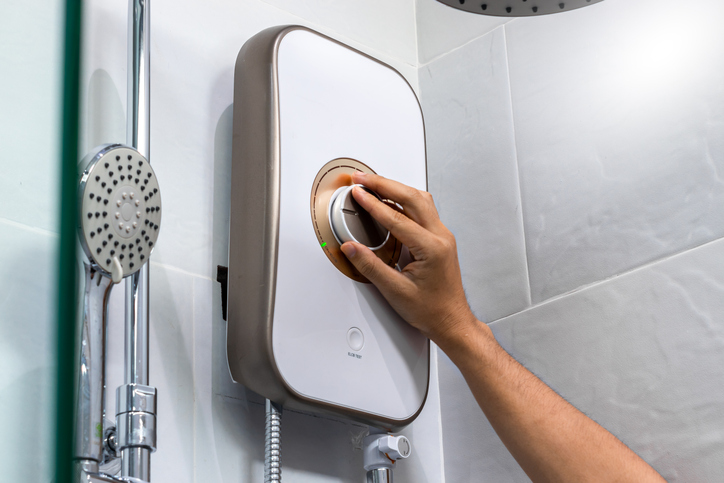
Your water heater should maintain a steady temperature. If the hot water gets scalding hot and then goes cold, or if it never gets quite hot enough, the thermostat or heating element is failing. Sometimes you can adjust the thermostat and improve things temporarily. Often, though, this is a symptom that the unit is nearing the end. Once temperature control becomes unpredictable, replacement is usually the best choice.
If you're seeing any of these signs in Conroe, don't put it off. A failing water heater will eventually leave you without hot water, and emergency replacements cost more than planned ones. Call Paul The Plumber LLC and we'll take a look at what you've got and give you honest advice on whether repair or replacement makes sense for your situation.